

Meet Livia
Meet Livia: The Single Mother Who Reinvented Jewellery for Sensitive Skin
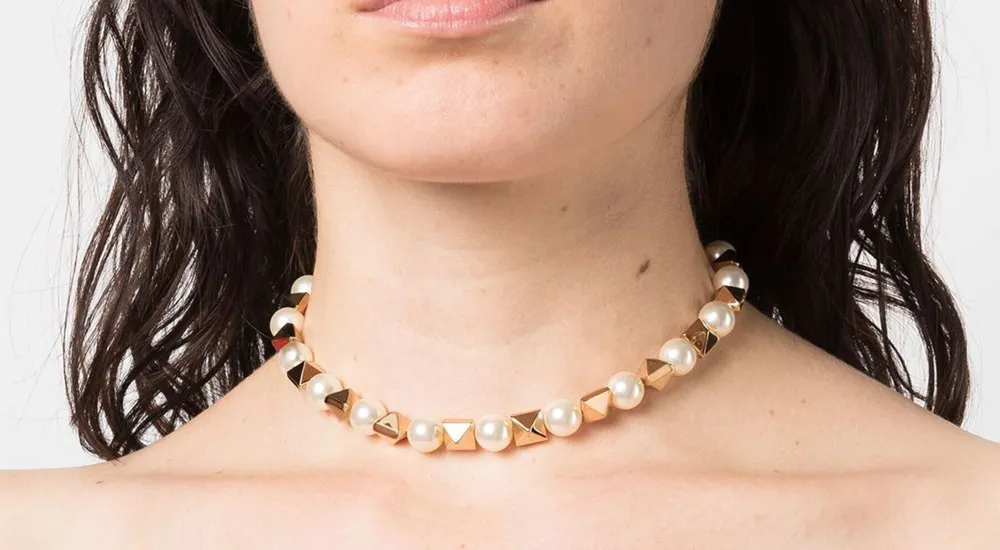
Before LOTTEDS existed — before the 316L surgical steel, before the PVD gold, before the design collective led by Bob — there was a folder.
It wasn't a business plan. It wasn't a mood board. It was a plain manila folder, the kind you'd find in any office supply cupboard. And inside it were hundreds of photographs. Women's fingers circled in green. Necks marked with angry red rashes. Earlobes swollen and inflamed. Wedding rings that couldn't be worn. Anniversary gifts that sat in drawers. And on so many of those photographs, scrawled in ballpoint pen or typed in the subject line of a printed email, the same heartbreaking question: "Is it me? Am I allergic to jewellery?"
The folder belonged to Livia. And it changed everything.
12 Years on the Other Side of the Counter
Livia was not a designer. She was not a gemologist. She did not come from a family of jewellers, did not inherit a workshop, did not have investors or connections or any of the advantages that typically precede a successful jewellery brand. What she had — what she had in extraordinary abundance — was the willingness to listen.
For 12 years, across multiple jewellery companies, Livia worked in customer service. She was the voice on the other end of the phone when a customer called to say that her engagement ring — the one she'd waited for, dreamed about, shown off to everyone she knew — had turned her finger green. She was the person reading emails from women who had saved for months to buy a "luxury" necklace, only to develop a rash they couldn't explain and a feeling they couldn't shake: maybe there's something wrong with me.
She heard from husbands who had bought their wives bracelets that now sat unworn in jewellery boxes. From teenagers who had begged their parents for earrings, only to discover that their ears couldn't tolerate them. From women of every age and background who had been told — by jewellers, by dermatologists, by well-meaning friends — that they "just couldn't wear jewellery."
Livia listened to all of them. She took notes. She kept records. And she noticed something that her employers — the companies she worked for, the managers she reported to — seemed determined not to see: the problem was never the customer. The problem was the materials.
Brass, she learned, was the culprit behind the green marks — copper oxidising against the mild acids of human skin, leaving behind copper salts in shades of verdigris and black. Nickel was the cause of the rashes — a known allergen that the European Union had regulated since 1994, but that continued to appear in cheap imported jewellery sold through marketplaces that didn't enforce the rules. And the thin electroplating that covered these reactive metals — microns of gold or silver that wore away within weeks — was the reason the reactions didn't appear immediately. Customers would wear a piece for a month, fall in love with it, and then watch it betray them.
Livia tried to explain this to her employers. She brought data. She brought photographs. She proposed solutions: use better base metals, use PVD instead of electroplating, test materials for nickel release before selling them. The response was always some variation of the same answer: too expensive, too complicated, not our problem. Changing materials meant spending more. Spending more meant smaller margins. And in an industry driven by volume and repeat purchases — where a customer whose jewellery faded in three months was a customer who'd be back to buy another piece — there was no incentive to build things that lasted.
The Moment Everything Changed
In 2019, the company Livia worked for closed its doors. She was laid off — a single mother with two children, $3,200 in savings, and no clear path forward. The practical thing to do, the responsible thing, would have been to find another job. Update the CV. Send out applications. Get back to answering the same calls for a different company.
But something had shifted in Livia during those 12 years. She couldn't un-hear the voices in that folder. She couldn't un-see the photographs. She knew — with a certainty that she describes now as "the closest thing to a calling I've ever felt" — that the solution to the problem she'd spent her entire career documenting was not complicated. It was just a matter of choosing better materials. And no one in the industry was willing to make that choice.
So she decided to make it herself.
Livia's founding question, unchanged since 2020: "What if someone built a jewellery brand where every decision — every material, every finish, every design — was filtered through a single question: will this honour the skin it touches?"
Kitchen Table Beginnings
LOTTEDS was born in April 2020 — in the strangest, most uncertain spring that most of us can remember. The world was in lockdown. Livia was at home with her children, navigating the impossible mathematics of single parenthood during a pandemic: homeschooling during the day, working on LOTTEDS at night, after the children were asleep.
Her friend James Watson — a software engineer who believed in her vision — helped her build the first version of the website. It was basic. Functional. Nothing like the polished digital experience you see today. But it worked. And it meant that when Livia assembled the first pieces — by hand, at her kitchen table, between maths lessons and bedtime stories — there was somewhere for people to find them.
Those first pieces were simple. A few chain designs. A few rings. All in 316L stainless steel — a material Livia had discovered through months of research, a surgical-grade alloy used in medical implants that was biocompatible, nickel-free in terms of release, and strong enough to withstand daily wear without scratching or bending. She paired it with PVD (Physical Vapour Deposition) — a gold-bonding process used in luxury Swiss watches that embedded 18K gold into the steel at the molecular level, rather than painting it on the surface to wear away.
And every single piece — every chain, every ring, every earring — was tested on Livia's own skin first. If it caused even the faintest irritation, it didn't ship. If the gold finish showed signs of wear after a week of constant wear, it went back for revision. If it caught on clothing, felt heavy after a full day, or in any way made its presence known in a way that wasn't purely aesthetic, it didn't leave the house.
The rule was absolute: pass the skin test, or don't ship.
The Material That Changed Everything
Livia tested everything in those early months. She wore prototypes of different metals for weeks at a time, documenting how each one felt, how it reacted to her skin, how it held up under the chaos of daily life. Gold was beautiful but soft — it scratched easily and was prohibitively expensive. Sterling silver was lovely but tarnished over time. Titanium was incredibly biocompatible but difficult to work with for the intricate, detailed designs she envisioned.
316L stainless steel was the answer. It had been hiding in plain sight — used in hip replacements and orthopaedic screws, in the cases of luxury watches, in marine equipment that sat in saltwater for years without corroding. It was nickel-free in terms of release (passing the EU's stringent EN 1811 standard for prolonged skin contact). It was stronger than gold, lighter than gold, and dramatically more affordable than gold. And it could be polished to a mirror finish that rivalled anything in a traditional jewellery display case.
The moment Livia put on the first 316L ring prototype and forgot she was wearing it — literally forgot, for hours, until she glanced down and saw the light catching its surface — she knew she had found the foundation of LOTTEDS. This was the material that would answer every question in the folder.
From One Woman to a Global Community
Today, LOTTEDS has grown far beyond that kitchen table. The design collective — led by Bob and a team of independent artisans who share Livia's obsession with skin safety — creates pieces inspired by the great jewellery traditions of Rome, reimagined for modern materials and modern lives. The PVD process is managed by a specialist who spent over a decade coating Swiss watch cases. The lab-grown diamonds and moissanite are sourced by a gemologist who left the traditional diamond industry because she couldn't reconcile its opacity with her own ethical standards.
But the founding rule hasn't changed. Every new design still goes through the Livia Protocol — our founder wears it for days before it's approved for production. Every material is still chosen for how it interacts with the human body, not just how it looks under display lighting. And that folder — the one with hundreds of photographs and the same heartbreaking question written over and over — is still in Livia's office. Not as a reminder of the problem. As proof that someone finally listened.
Livia's philosophy, unchanged since that first prototype at her kitchen table: "Jewellery should make you feel beautiful. It should never make you feel uncomfortable. And it should absolutely never make you feel like something is wrong with your body. The problem was never you. It was the materials. We fixed the materials. Everything else followed from that."
Jewellery Born from Empathy
Experience pieces designed by someone who truly listened. Shop Essentials — the collection Livia herself wears every day, tested on her own skin first.
Shop Essentials → · Bob Collection →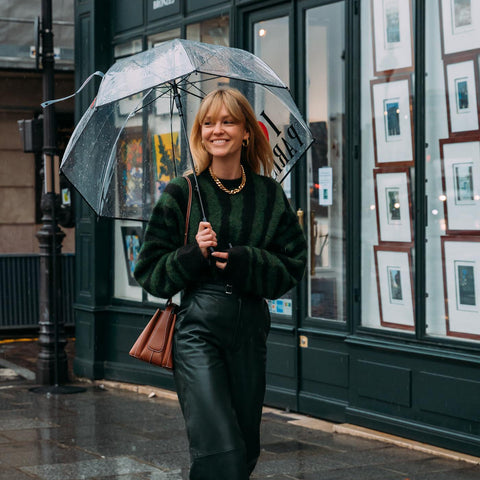
The Necklace That Started It All
The Snake Collection was one of Livia's first designs — a sinuous, elegant chain in 316L steel that she wore for weeks to ensure it passed the skin test.
Snake Collection → · All Necklaces →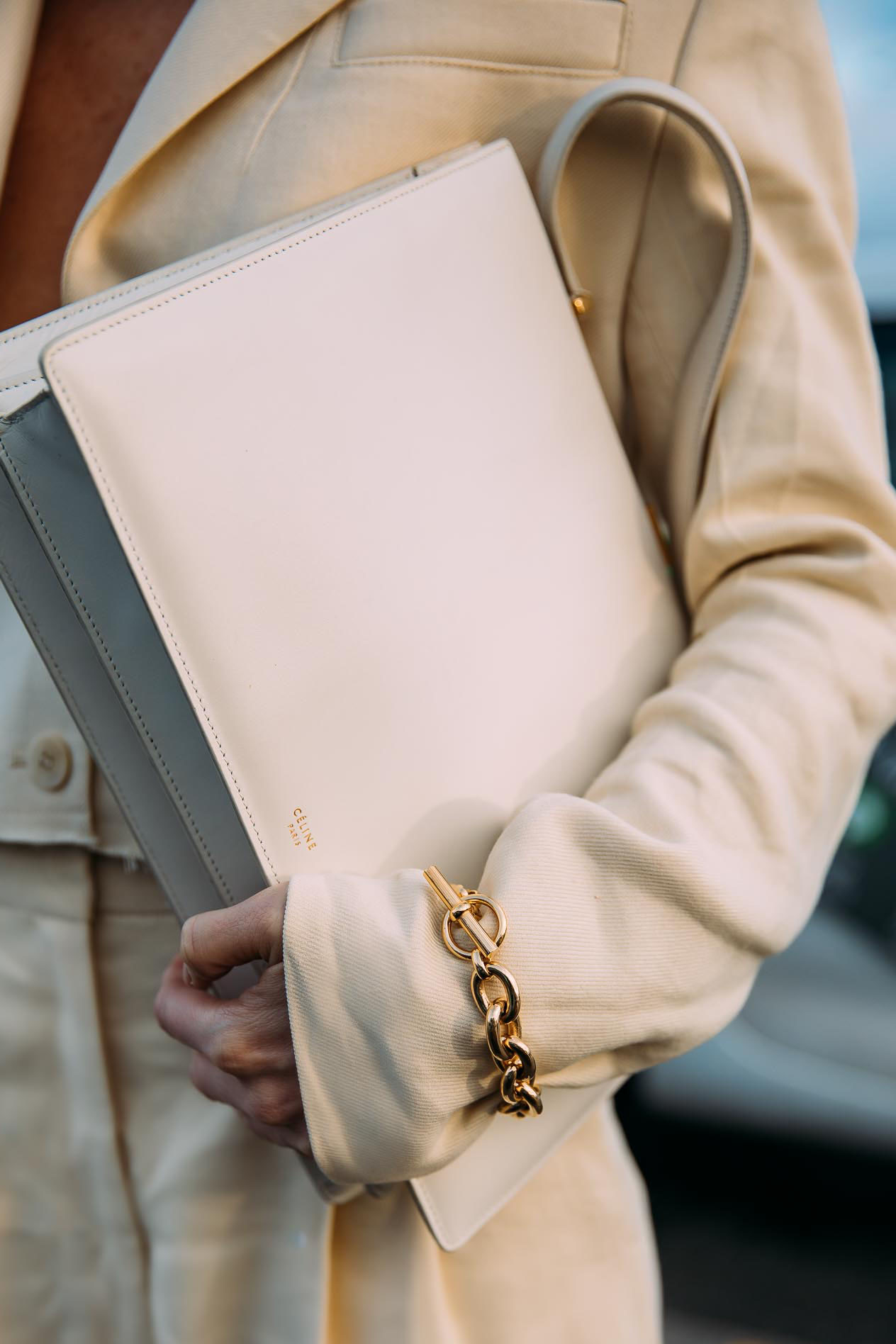
Rings You'll Forget You're Wearing
Livia's personal favourite: rings in 316L steel with PVD gold. Lightweight, hypoallergenic, and tested through hand washing, typing, and the chaos of parenting two children.
Shop Rings → · Rollers Collection →What Livia Wants You to Know
When asked what she wishes every customer understood, Livia's answer is immediate — she's been giving versions of it for years:
"You are not allergic to jewellery. You are allergic to the cheap, reactive metals that the industry uses because they're profitable. Brass. Nickel. Thin plating that wears through in weeks. These are not your skin's fault. They're choices that companies make — and they're choices that can be unmade.
I spent 12 years listening to women blame themselves for reactions that were caused by materials they'd never been taught to question. That folder — the one I still keep — is full of people who thought the problem was them. The problem was never them. It was an industry that had decided their comfort wasn't worth the cost of better materials.
LOTTEDS is my answer to every person in that folder. Every piece we make says: it wasn't you. It was the jewellery. And here's jewellery that finally loves you back."
Livia Still Reads Your Emails
This is not a marketing claim. Livia still personally reads customer emails — not all of them, because there are too many now, but a significant portion. She still asks to see photographs when something isn't right. She still gets involved in product decisions when a design isn't passing the skin test. And she still believes — with the same intensity she felt at her kitchen table in 2020 — that the measure of a jewellery brand is not how many pieces it sells, but how many people it makes feel seen.
If you email LOTTEDS — whether it's a question about sizing, a concern about a piece, or just a note to say that you've finally found jewellery that doesn't irritate your skin — there's a good chance Livia will read it. Not because it's efficient (it isn't). Because it's the reason she started.
Meet the Designers → · Why Jewellery Turns Skin Green → · Materials & Craftsmanship →
Dejar un comentario